
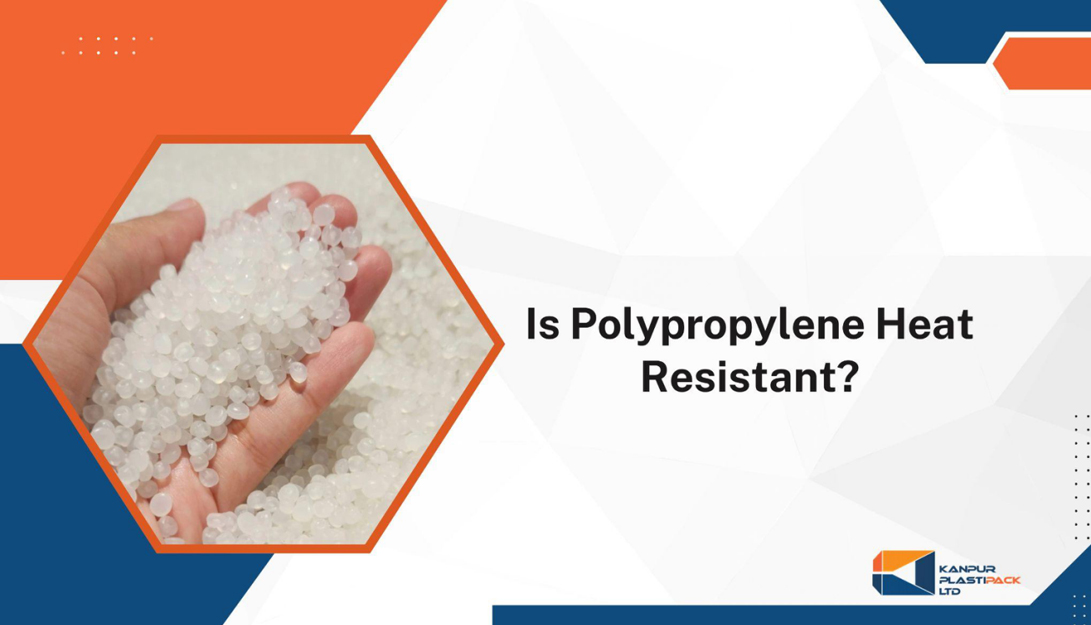
Polypropylene is often the primary choice due to its impressive balance of strength, chemical resistance, and cost. In practical terms, PP's melting point sits near 160 °C while its continuous service range extends to roughly 100 °C giving it the polypropylene temperature tolerance that many applications demand. Understanding the PP temperature range, the polypropylene processing temperature required for molding, and the underlying polypropylene formula helps you specify a material that won't soften, deform, or lose performance when the mercury rises.
1. Melting and Glass Transition Temperatures
By comparison, polyethylene melts closer to 115°C, making polypropylene better suited for applications that reach higher temperatures.
2. Continuous Service Temperature
Most grades of polypropylene can withstand continuous exposure up to 100–110°C without significant loss of mechanical properties. Engineering or reinforced grades can push that continuous service range slightly higher, depending on additives and fillers.
When searching for polypropylene temperature tolerance, look at the specific grade data sheet especially if you need to know the PP temperature range for a demanding application.
Manufacturers must heat polypropylene above its melting point to mold it. Typical polypropylene processing temperature settings include:
Getting these temperatures right is critical. If you mold below the recommended range, the material may not flow properly. Overheat it, and you risk degrading the polymer chains and affecting mechanical performance and clarity.
Because of its favorable polypropylene temp range, you'll find PP in applications such as:
These polypropylene uses capitalize on the material's combination of heat resistance and low cost.
Standard polypropylene handles moderate heat, but you can boost its performance:
Consult technical data from leading polypropylene manufacturers in India to choose a grade with the right additive package for your needs.
In the world of polypropylene non woven fabric, heat resistance matters for processes like steam sterilization or hot-air bonding. Typical processing and service conditions include:
When you need a fabric that withstands processing and end‑use temperatures, prioritize grades from reputable suppliers with clear polypropylene processing temperature data.
Finding a reliable polypropylene manufacturers in India means checking for:
Kanplas works with top resin suppliers to ensure a wide selection of PP grades and offers custom guidance on matching your application to the right temperature performance.
Polypropylene's combination of a melting point above 160°C, continuous service up to around 100°C, and ability to handle steam or hot‑air processes makes it a go to material for heat‑exposed applications. Whether you're molding a kitchen container or producing spunbond non woven fabric, understanding the polypropylene temperature range and processing temperature is essential. Consult with experienced polypropylene material experts and fibc manufacturers in India to select a PP grade that meets your heat resistance needs while delivering cost effective performance.
Ready to discuss heat resistant polypropylene solutions?
Contact Kanplas for expert advice on selecting the right PP grade, processing recommendations, and sourcing from leading polypropylene manufacturers in India.
What is the maximum temperature that polypropylene can withstand continuously?
Most polypropylene grades handle continuous service temperatures up to about 100°C before losing mechanical strength.
How does polypropylene's melting point compare to other common plastics?
Polypropylene melts around 160–166°C, higher than polyethylene (115°C) and PVC (140°C), making it better for heat-exposed parts.
What processing temperature is required for molding polypropylene parts?
Injection molding runs between 190–250°C, while extrusion and non-woven fabric production typically use 180°C–40°C.
Can polypropylene non woven fabric filters be steam‑sterilized?Yes. Spunbond and melt‑blown PP fabrics tolerate standard steam sterilization at 121°C without significant degradation.
How do additives improve polypropylene's temperature tolerance?
Glass fiber or mineral fillers raise service temperature by 20–30°C, and heat stabilizers prevent thermal oxidation and embrittlement.
Deine E-Mail-Adresse wird nicht veröffentlicht. erforderliche Felder sind markiert


 English
 Spanish
 Italian
 Dutch
Dutch Chinese
 French
 Portuguese
 Hebrew
 Japanese
 Korean
 Russian
 Essen
Essen  Bergbau und Mineralien
 Chemisch
 Landwirtschaft
 Harz
Harz Konstruktion
 Entsorgung & Recycling