
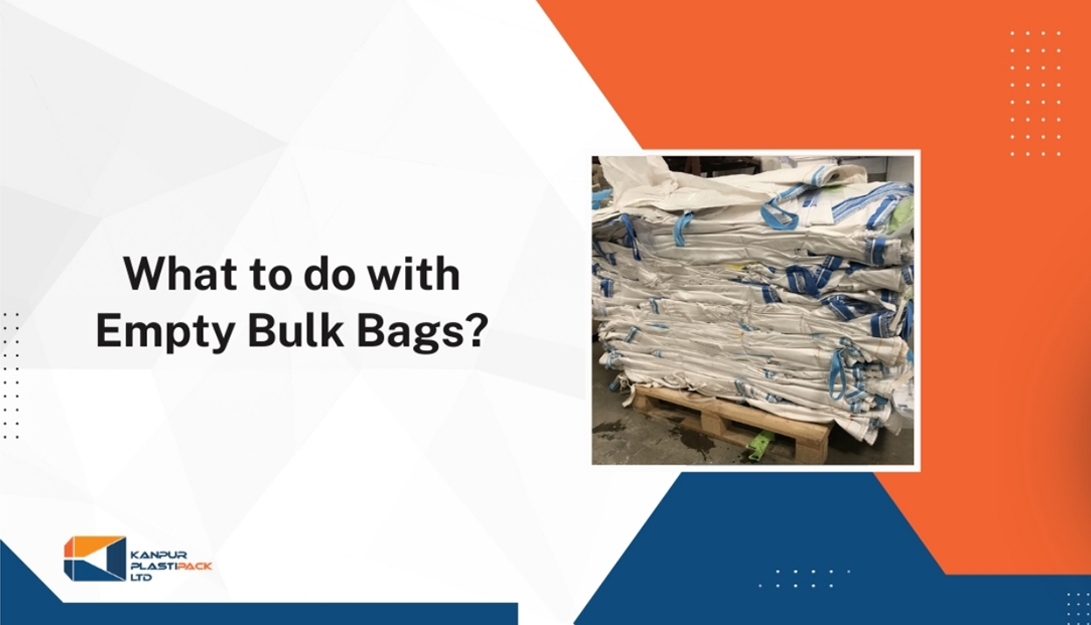
Bulk bags, also known as jumbo bags or FIBCs (Flexible Intermediate Bulk Containers), are used in various industries. These bags have made the storage and transportation of bulk materials much easier. However, every industry has a common question: What to do with empty bulk bags?
If you also deal with bulk materials, you might have the same concern. You must have seen a pile of empty bulk bags left behind after deliveries are done. Mostly, these bags get thrown away like other industrial waste.
But these bulk bags often look like waste can be a useful resource. Bulk bags made with recyclable polypropylene fabric can be recycled & reused.
In this blog, you'll read about responsible techniques for reusing bulk bags. Along with how good-quality bags make the workflow smooth from the start.
High-quality FIBCs don't get damaged easily. You can reuse them to save packaging costs and reduce environmental waste. Whereas bulk bags made up of polypropylene fabric can be recycled into new products.
Both options are sustainable and smart resource management choices. Let's learn different ways to reuse and recycle bulk bags.
1. Check the Bag before Reusing
You should always check if the bag has any cuts, seams, damaged loops, or fabric panels before reusing it. Confirm that there are no signs of wear or damage before refilling the FIBCs.
2. Cleaning is ImportantIt's important to clean the bulk bag before you reuse it for other materials. Remove all the leftover products, moisture, & dust from the bag to maintain hygiene and prevent possible contamination.
3. Always Reuse for Similar Material
You should always reuse the bag for the same or compatible material. If you refill the bag with other material, it may cause a chemical reaction and hinder the safety standards.
4. Track the Usability
You can track or keep a record of how many times the bag has been reused. Try a barcode system, attach a label, or tags to monitor the reuse cycles. This will help you decide when to retire or recycle bulk bags.
5. Storage is the Game-Changer
Store the bulk bags in a clean, dry, and shaded area to increase their usable lifespan. Storing the bags properly will prevent UV degradation and damage.
Now that you understand the practical ways to reuse bulk bags safely. Read on to understand different ways to recycle bulk bags.
Therefore, recycling bulk bags is not only a sustainable but also a cost-effective method. You can turn used FIBCs into valuable raw materials instead of dumping them into the waste.
At Kanpur Plastipack Limited (KPL), we ensure all the FIBCs meet the safety standards, are designed for multiple use, and support sustainable work operations.
Reusing and recycling are two smart choices if you have a question, what to do with empty bulk bags. Empty bulk bags aren't meant to end up in the landfill. You can handle them efficiently as a sustainable option. It's an effective step towards your business operations and environment.
Partner with Kanplas if you're looking for quality, durability, and sustainability. Contact us today for strong, safe, and reusable bulk bags that meet your industry standards.
1. Can bulk bags be reused?
Yes, you can reuse bulk bags if they're torn, damaged, and meet the safety standards.
2. What should you do with your used bulk bags?
You can either reuse or recycle bulk bags. If the bag is in good condition, you can reuse it for similar or compatible materials. On the other hand, if the bulk bag has signs of a cut or wear, then consider recycling it.
3. What to do with old bulk bags?
If your old bulk bags are damaged, you should recycle them. Because storing old bulk bags isn't a smart choice. These bags can be your valuable resource. You can also reuse bulk bags, only if they meet safety standards and are not damaged.
כתובת האימייל שלך לא תפורסם. שדות חובה מסומנים


 English
 German
 Spanish
 Italian
 Dutch
Dutch Chinese
 French
 Portuguese
 Japanese
 Korean
 Russian
 מזון
מזון כרייה ומינרלים
 כימיקלים
 חקלאות
 שרף
שרף בנייה
בנייה סילוק ומחזור